Sports photography is more than just freezing action—it's about capturing emotion, energy, and the full story of the game. Great sports photos don’t just show you what happened; they make you feel it.
Whether you're shooting football, (field) hockey, or a local tournament, understanding how to use wide, medium, and close shots is key to crafting powerful visual stories.
Let’s break down how each type of shot works—and how I use them effectively in sports photography.
Wide shot
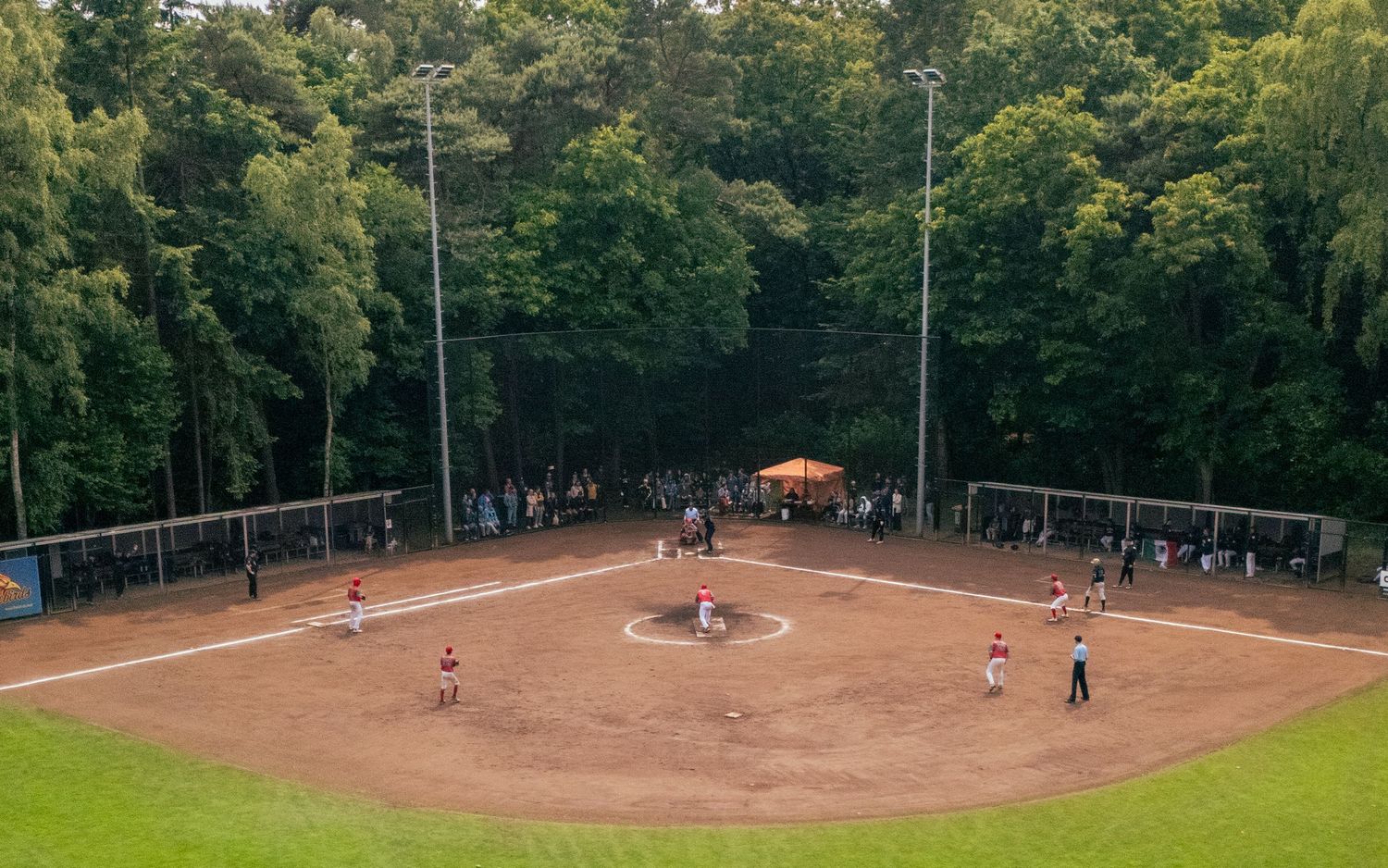
A wide shot sets the environment. The field, the stadium, the crowd—all the elements that gives context to the game. Before diving into action or emotion, your audience needs to know where it's all happening.
Medium shot
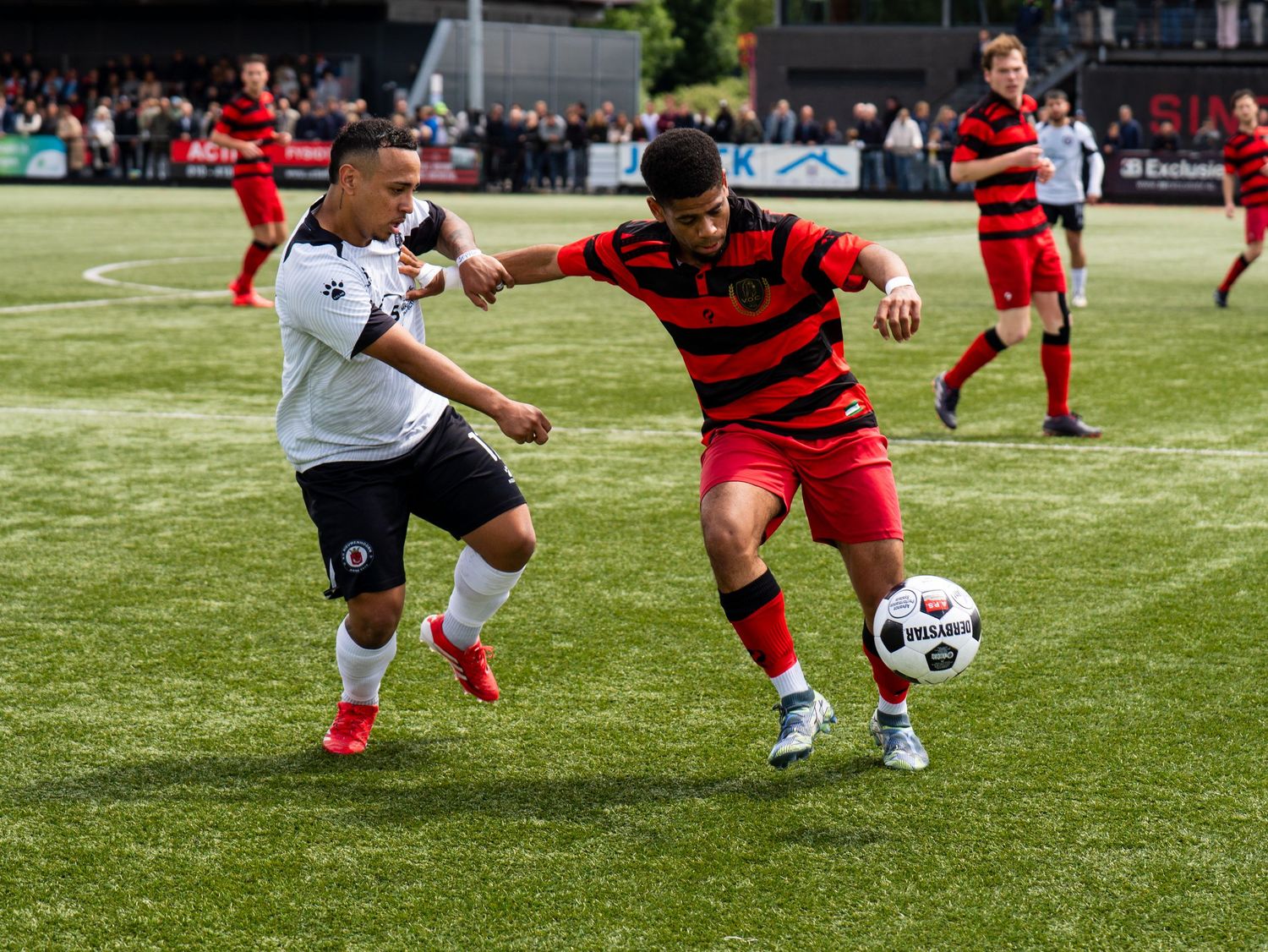
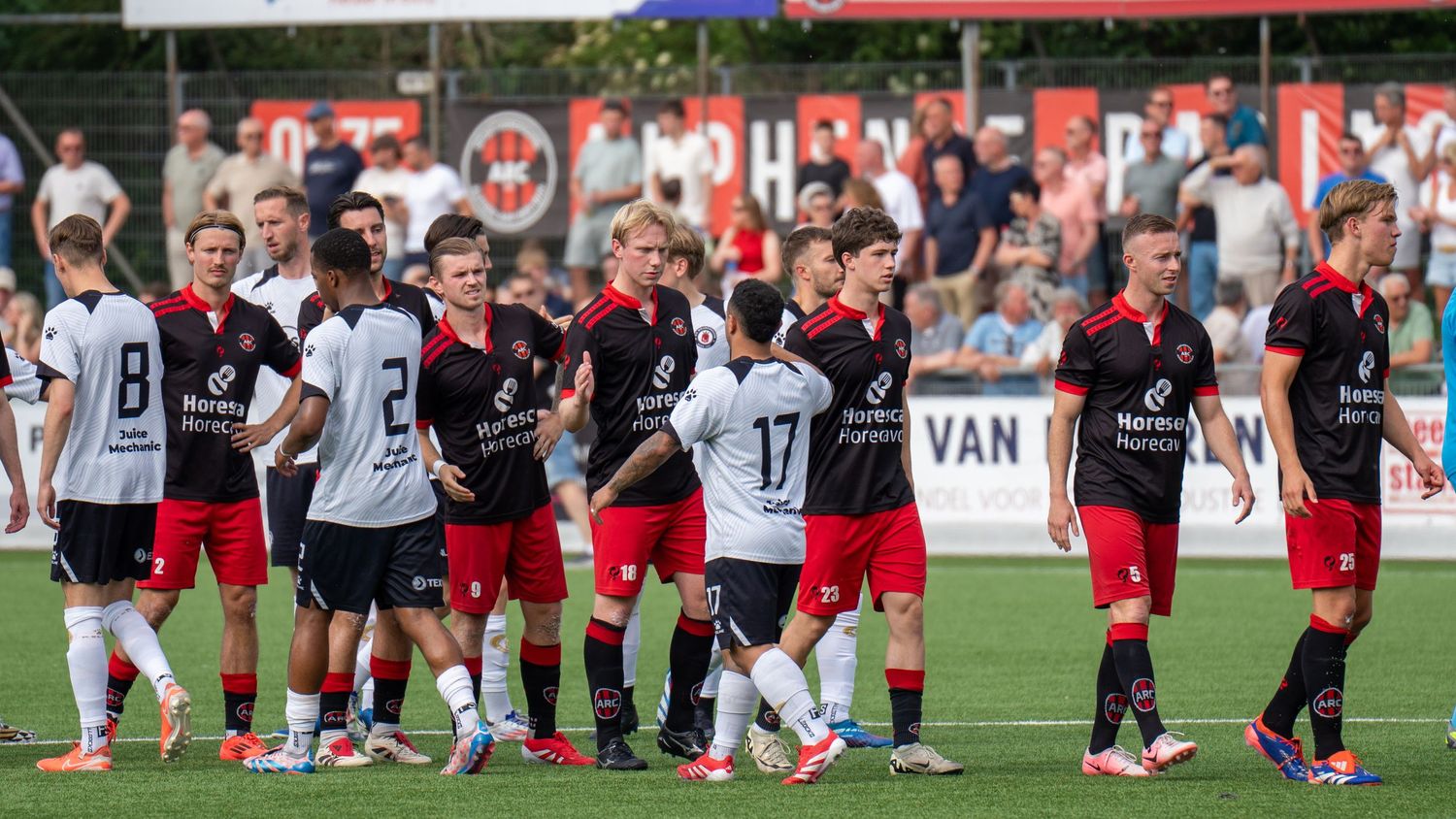
This is where the action lives. Medium shots draw viewers into the story, letting them feel the momentum of the match. Think about the player's action, their body language, and interactions on the field—tackles, passes, group huddles, sideline reactions.
Close-up shot
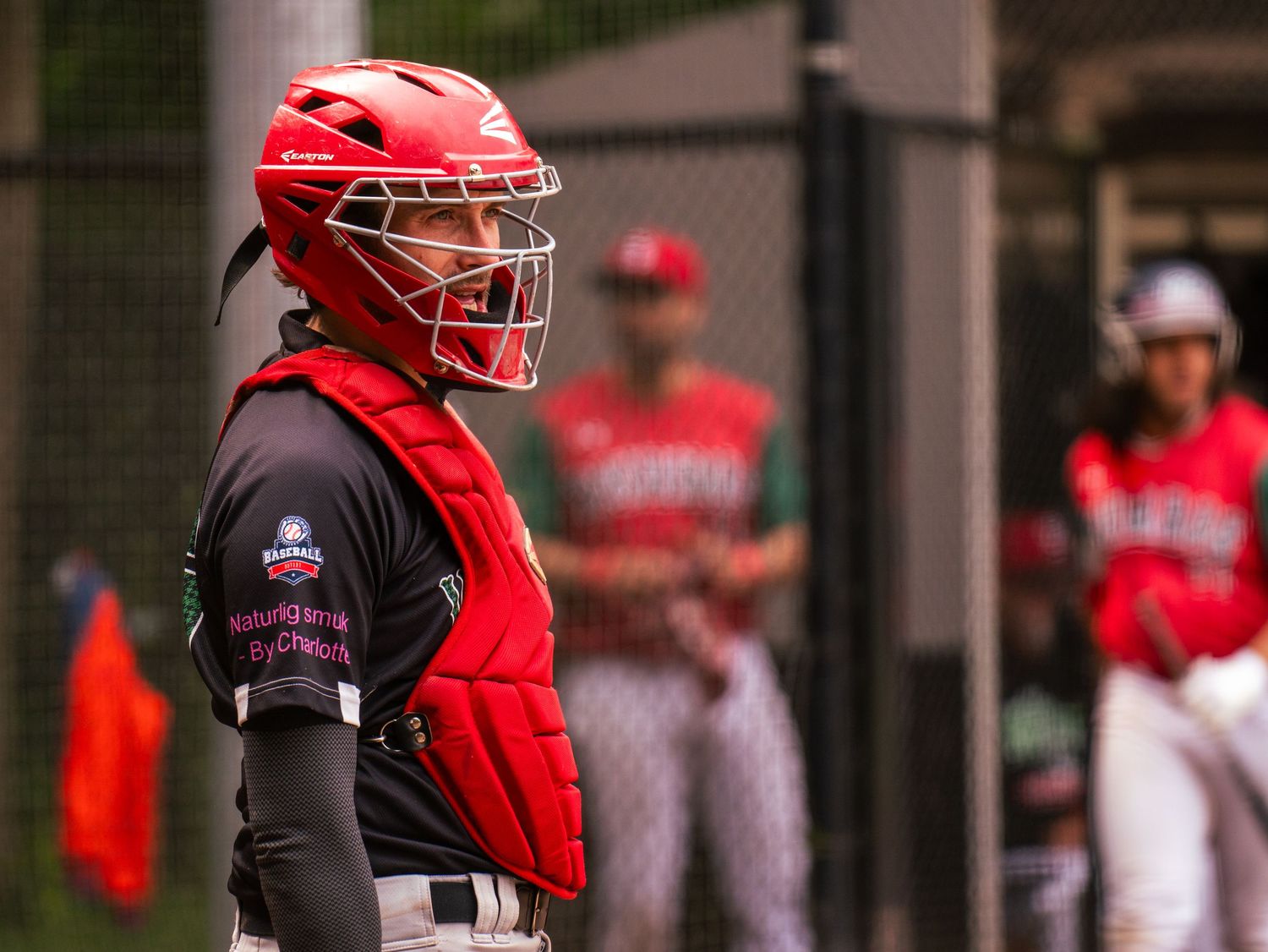
Close-ups connect your audience emotionally. It's where the heart of the story lives. Facial expressions, sweat, focus, joy, pain—those intense human moments you can't fake.
Detail shot
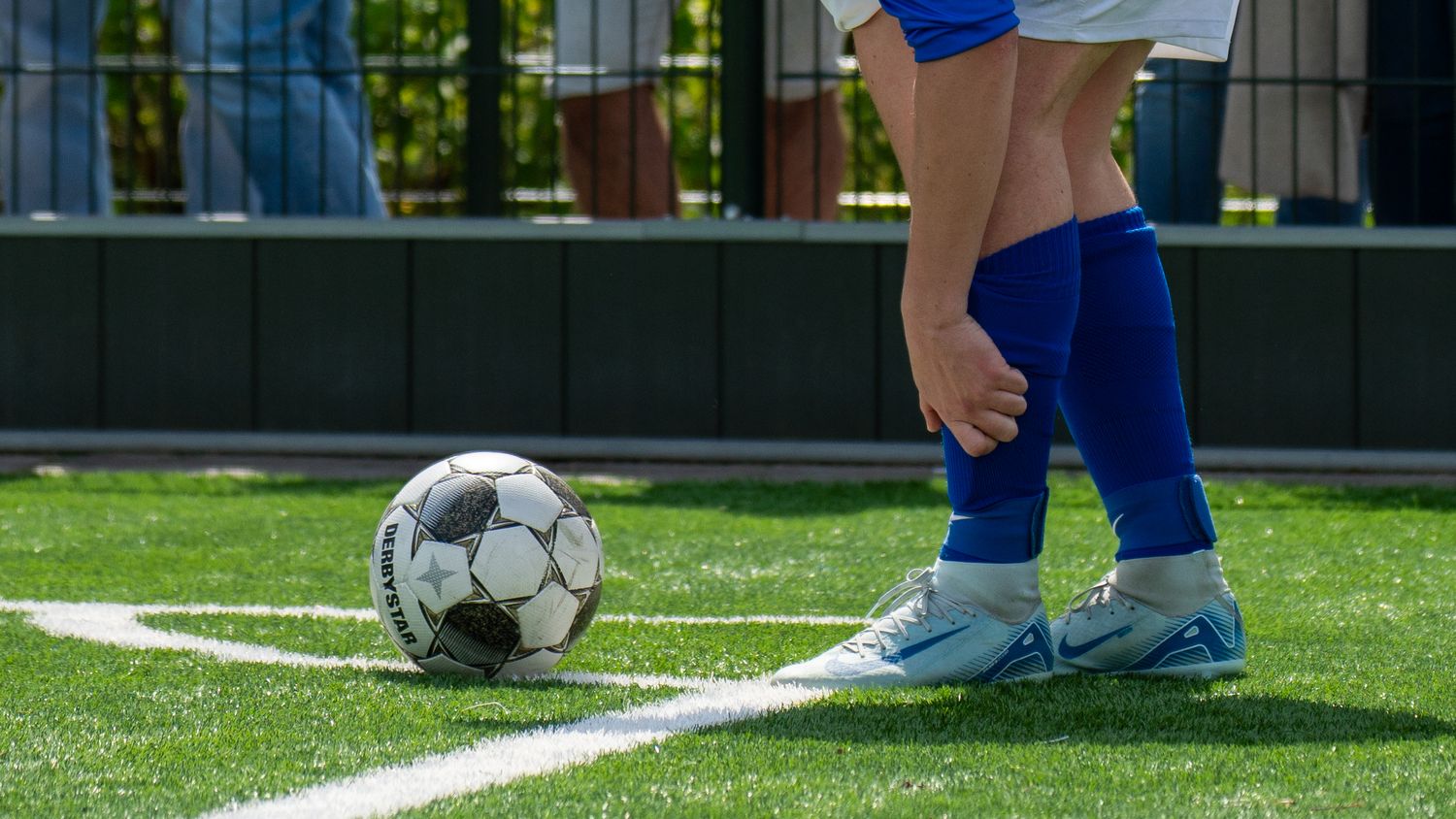
Detail shots add texture to your story. They make your gallery feel intimate and thoughtful. The small but meaningful details — hands lacing up boots, a muddy jersey, team logos, shoes on the line, the ball on the grass.
Motion blur shot
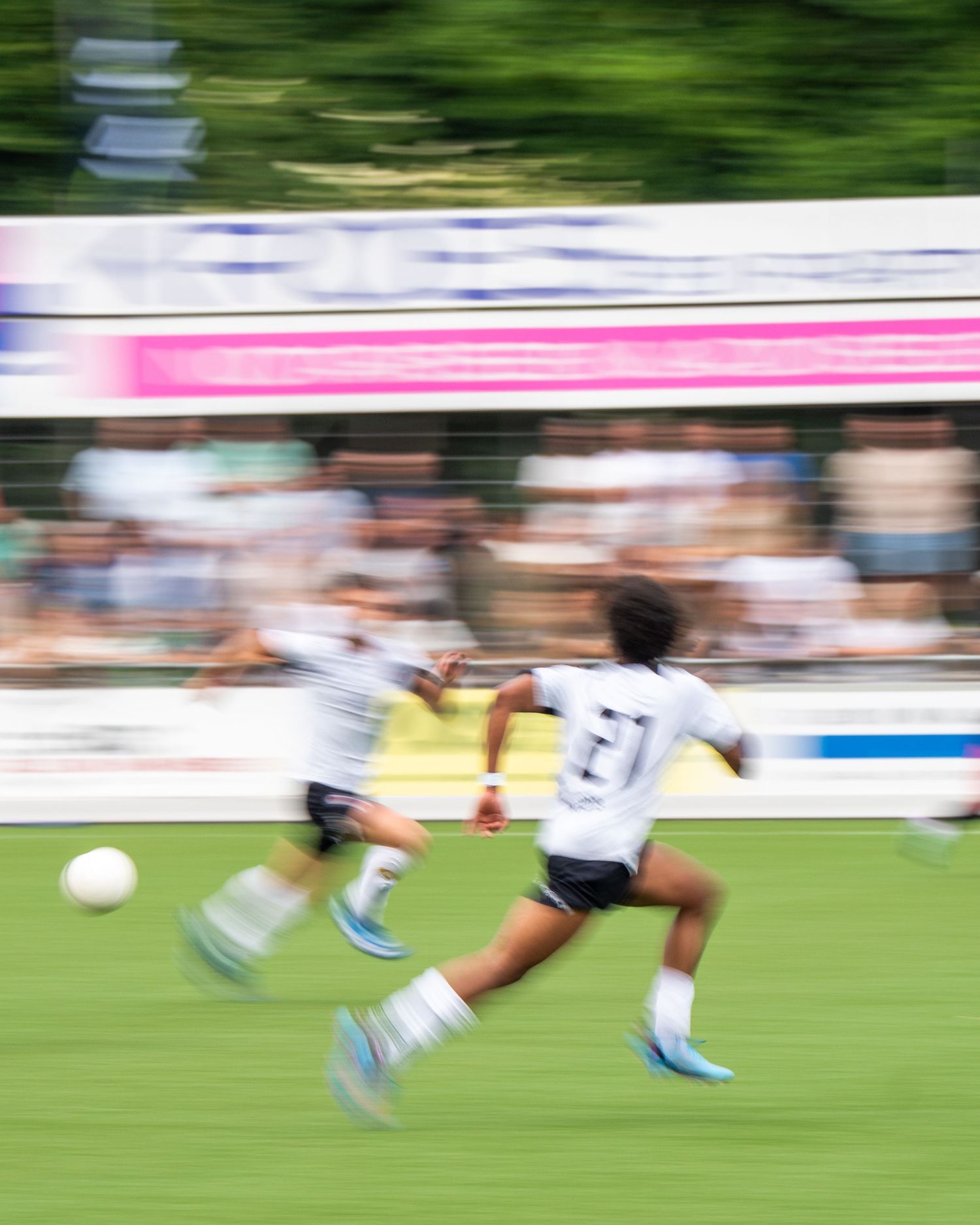
Not everything has to be frozen. Motion blur can add a sense of movement and chaos that makes your images feel alive. This can be a bit tricky to pull off, though. Practice to find the balance between blur and clarity.
The best sports photographers aren’t just clicking a button—they’re storytellers. Using wide, medium, and close shots intentionally turns your gallery into something more than just "photos"—it becomes an experience.